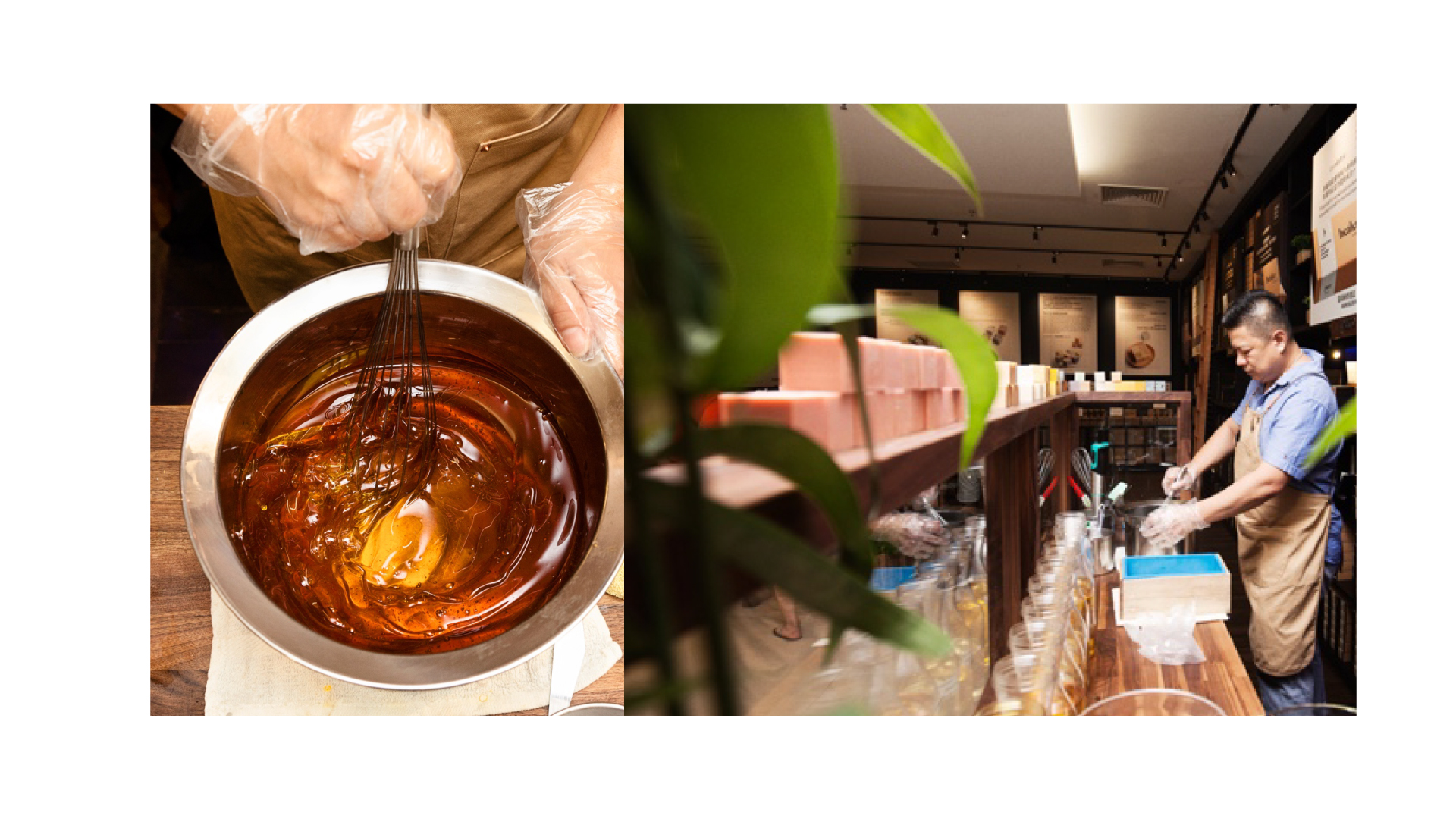
How Our Story Began?
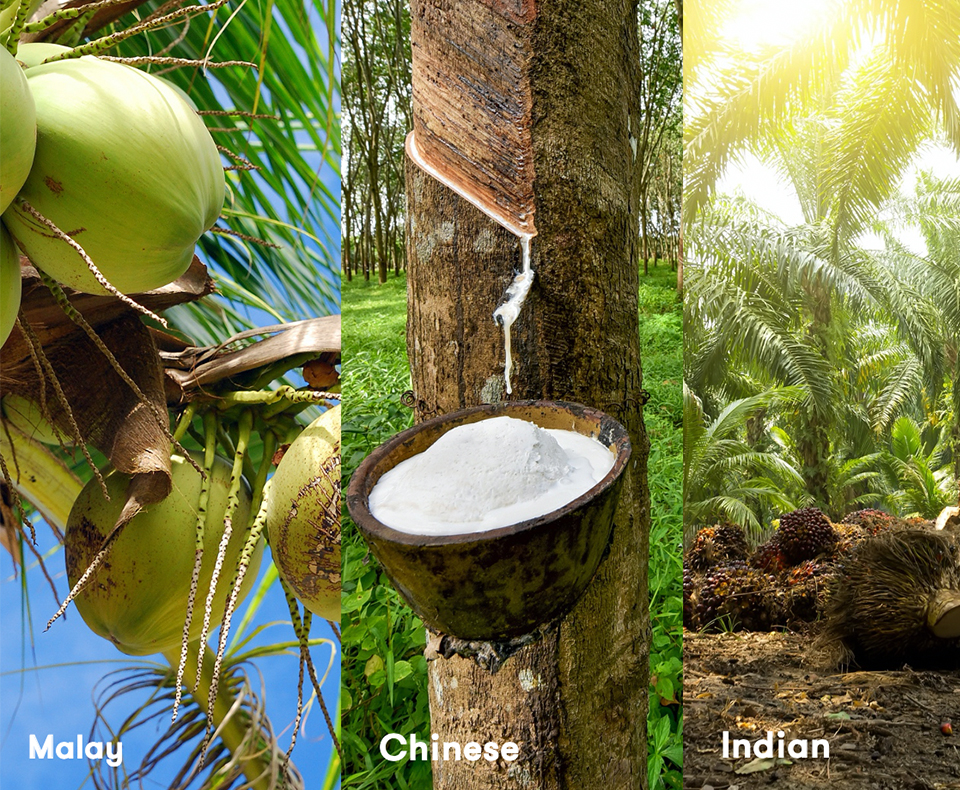
Coconut, Rubber, Palm.
The 3 trees that link Malaysians today.
Malaysia’s diversity is strongly tied to these trees.
During the early colonial days, the 3 ethnic races lived in harmony. Their cultural diversity is closely linked to these 3 resources providing them their livelihoods. The Malays used coconut to build things like houses and furniture. The Chinese worked in the rubber tree plantations harvesting latex. And the Indians made a living in the Palm Tree plantations. The 3 races cultivated Malaya’s land and turned it into what it is now. And this is where our story begins.
A Family Heirloom
An immigrant’s Story. Healer’s beginnings started in the 1930s when Malaya became the world’s largest rubber producer attracting foreign workers migrations. A young soap-making couple from a small village of Huizhou in the province of Guangdong China heard about this opportunity and left their home in hopes of finding a better life abroad. Taking their hopes, dreams and all their life savings with them, they crossed the seas to Malaya. Upon arrival, they were employed as rubber tappers in one of the many rubber tree plantations. This couple was Mr. and Mrs. Chong – first-generation Chinese immigrants to Malaya.
The Hard Life of a Rubber Tapper
Everyday, they woke up early to harvest
latex from rubber trees.
And each day, they came home with greased bodies and stained hands.
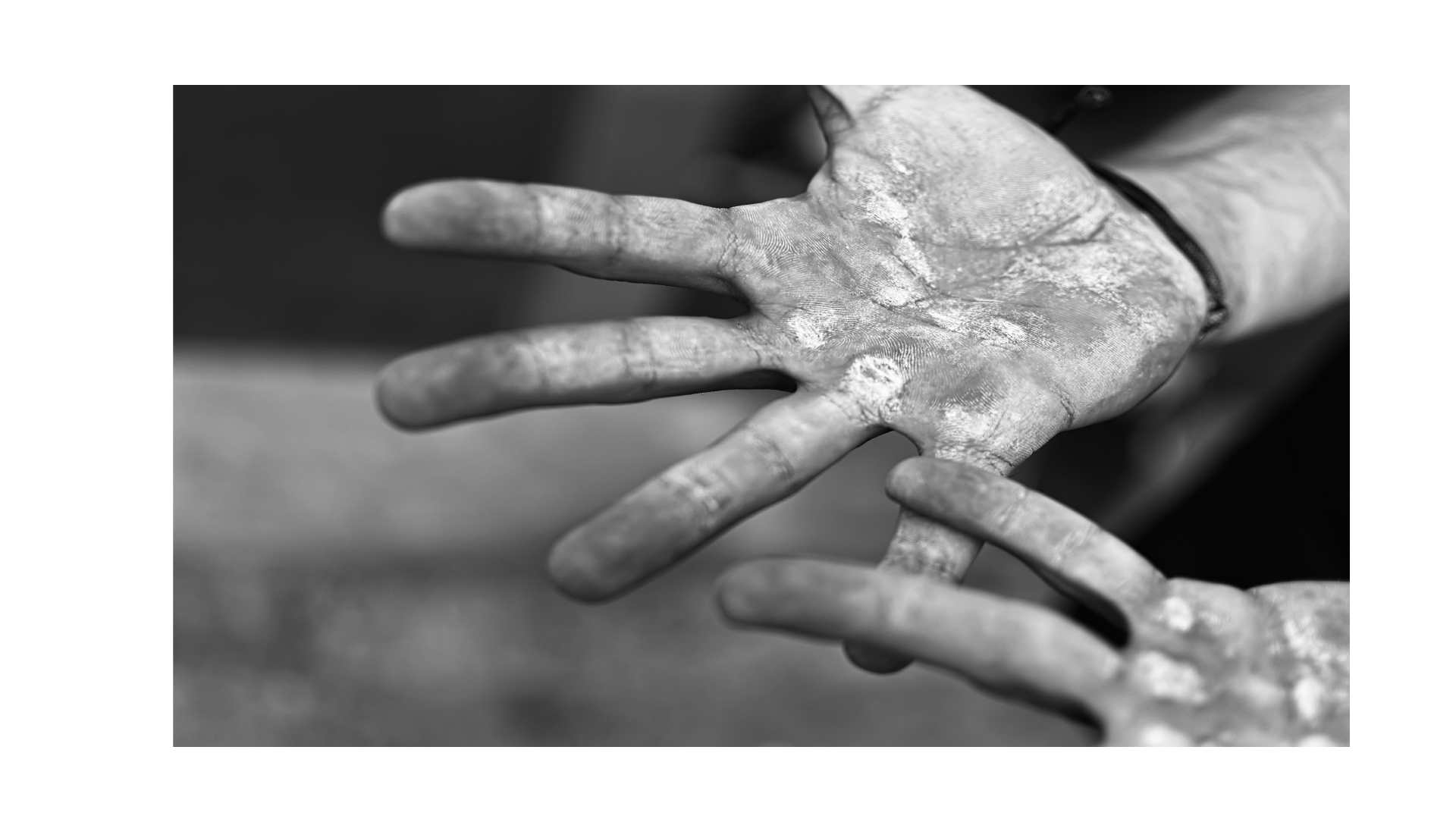
Rubber tapping was not an easy job. The couple woke up before dawn to cut the barks of rubber trees and waited for hours to collect the latex. Furthermore, this job stained their clothes and skin. Back then, they used kerosene as a degreaser. However, it made their hands dry, cracked, inflamed and to some extreme extent, they had recurring painful blisters. This made Mr. Chong worried for him and his wife who was in extreme pain. However, they endured in order to provide food for their family. Before long, Mr. Chong realized that his soap-making knowledge might be of good use in finding a safer alternative. However, his original recipe required animal fat which was hard to come by. This motivated Mr. Chong to find a safer alternative to animal fat.
Finding New Fats. The answer came from the community.
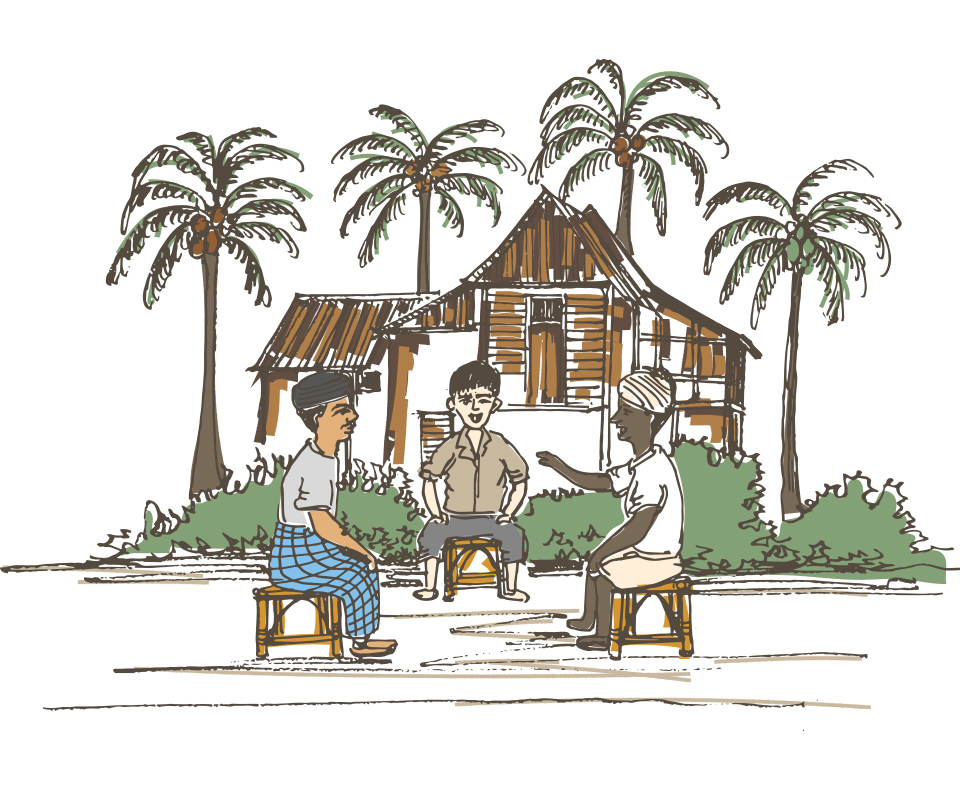
Back in those days, it was common for neighbourhoods to get together in the afternoon to share stories while they rest from hard work and the heat of the sun. It was a social activity that brought the 3 ethnic races together sharing knowledge about their work. One day, one of the Indian workers in the palm tree plantation described how the fruit of the palm tree is being turned into cooking oil. Upon learning this, Mr. Chong had a great idea of using it as a substitute for animal fat.
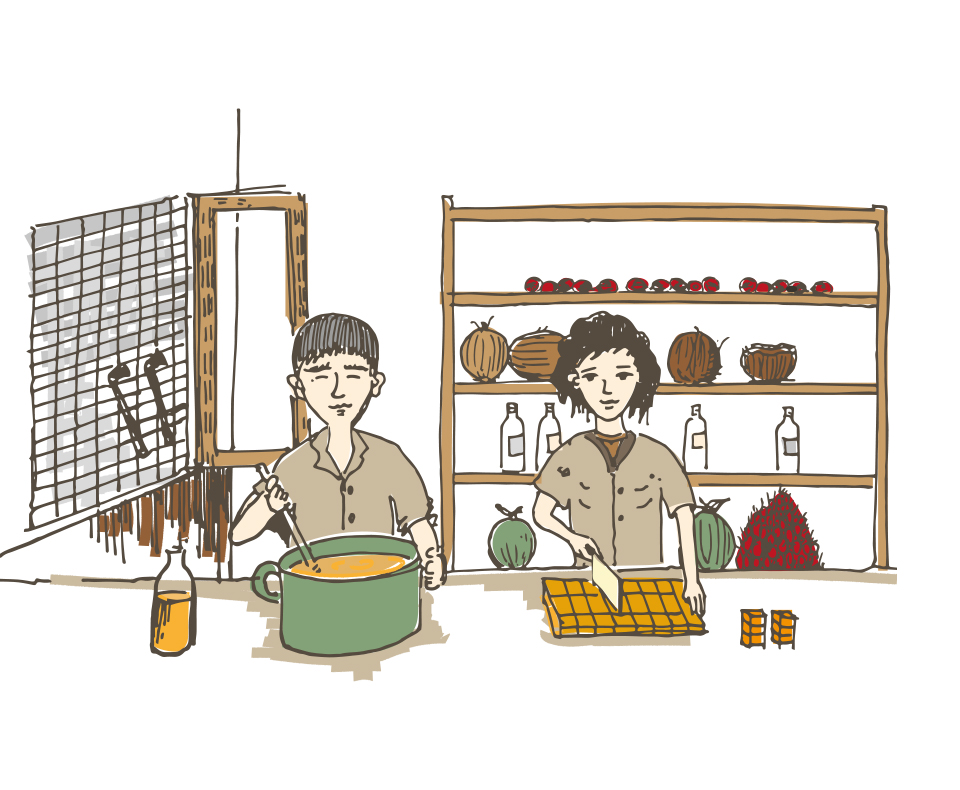
After finding out that the fruit of the palm tree can be turned into oil, Mr. Chong decided to put his soap-making knowledge to good use. Mixing lye from the ashes of hardwood, he created his first palm oil organic soap.
Moisturizing
He and his wife started using it and to their surprise, find it even better in removing the grease from latex. They continued using it and discovered that they didn’t have the drying and cracking effect that kerosene did to their skin. From that point on, they made their own home soaps to cleanse their body from their labor-intensive jobs. And in order to do this, they started planting palm oil in their backyard. And knowing that there might be a demand, they eventually expanded and had their own Oil Palm plantation.
Handed down through generation.
A family affair.
Mr. Chong learned the art of soap making from his forefathers and he continued the tradition by passing it down to his children. While the skill is passed down, it got lost as his children pursue full-time jobs. Soap making became a past time hobby for the family.
Rediscovering Soap Making
In 2015, 3rd generation Simoan Chong – a farmer in the family had recurring skin irritation due to exposure to the harsh elements every day. Having a hard time finding commercially available soaps for his skin, he opened up to his mom which to his surprise told him about the lost art of soap making in their family. Together, they made their first soap with the palm oil right at their kitchen. Simoan used the soap and discovered that it made his skin better. He realized that there might be people out there with similar symptoms like his and are looking for the exact solution to their problems. He then shared this with his friend who is a successful entrepreneur to explore the possibility of commercializing this new found discovery.
The Birth of HEALER
Traditional family recipe turned global product.
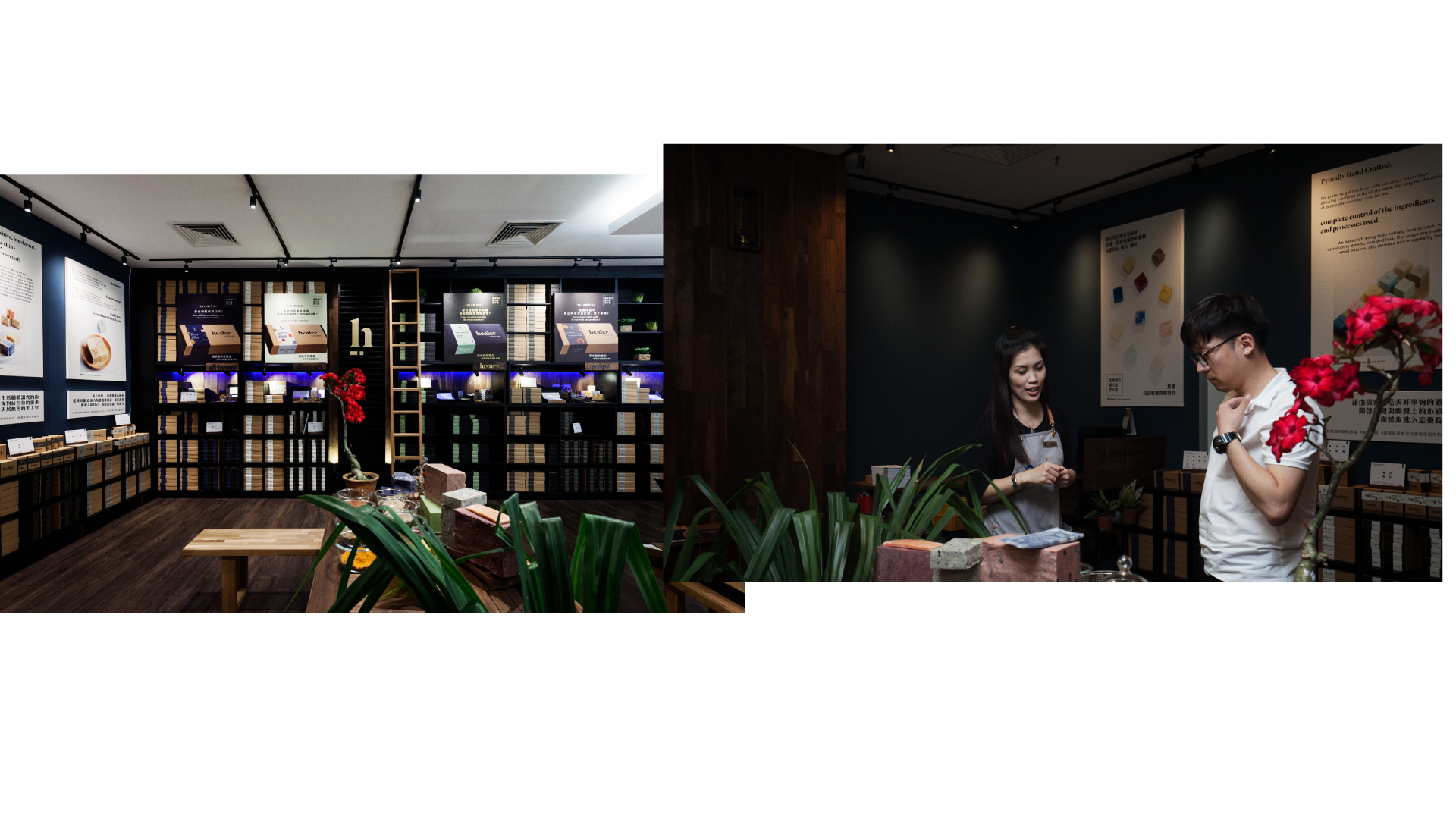
Simoan had a vision of sharing his soap with the world. But in order to do that, he needed to learn more about the latest technology in making soaps. He travelled to different parts of the world to learn the latest trend in soap making. After his journey, he came back and developed his own line of soaps. And he called it Healer – inspired by the healing properties his family recipes brought him and how his grandparents used it to heal their skin after a hard day’s work. Before Healer, Simoan & Joseph offered OEM services to local sellers. Their soaps have gained reputation among peers for high quality ingredients & innovative recipes.